
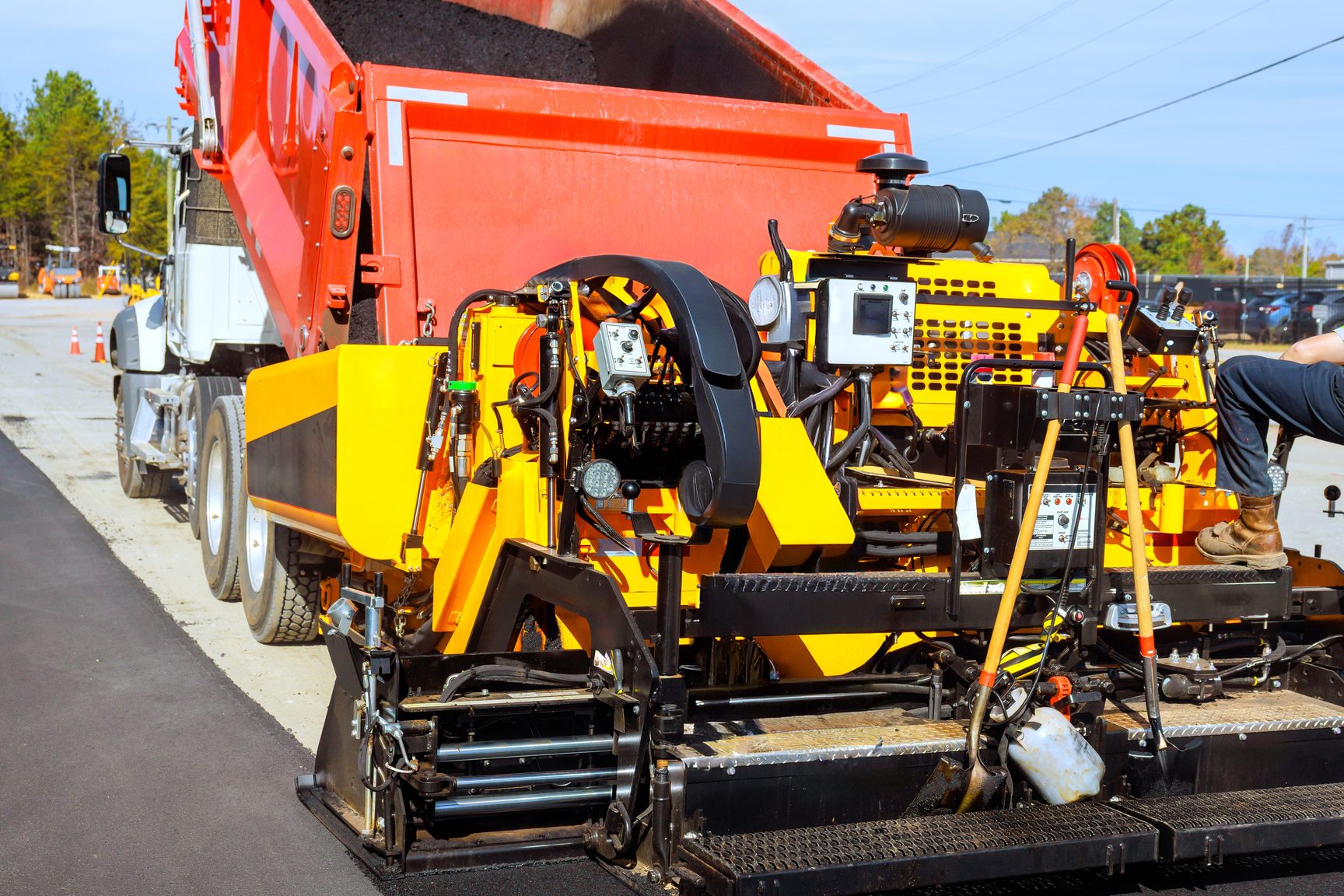
Kentucky’s certificate of eligibility lets you bid, but it carries no insurance requirement of its own, so once you are awarded a KYTC job the contract’s insurance terms decide what you need. That gap surprises firms that assume a prequalified contractor is an insured one in the Cabinet’s eyes.
What prequalification does in Kentucky
Anyone bidding a Kentucky Transportation Cabinet contract to build or maintain a public road needs a certificate of eligibility first, and the Department of Highways may not consider a bid from, or award a contract to, a bidder without one. The Cabinet’s Prequalification and Compliance Branch runs that process. It reaches subcontractors on department construction or maintenance work too. None of it approves a policy. Our Kentucky paving contractor insurance page covers the state rules behind it.
The award is where insurance enters
The Cabinet’s contractor’s guide to construction procurement is the place to start for the steps from bidding to award. Read your proposal’s insurance provisions alongside the standard specifications, list every line they name, and compare that list against your declarations pages. A paving award usually reaches general liability, commercial auto for the dump trucks and lowboys, workers’ compensation and often an umbrella.
Endorsements and certificates
The lines are rarely the problem. The endorsements are. A contract may ask for the Cabinet to be an additional insured, for your policy to apply first, for a waiver of subrogation, or for notice before cancellation. Each one has to be issued on the policy before a certificate can show it. Send the exact wording to your agent the day the award arrives; our post on state DOT insurance requirements explains why timing matters more than the lines themselves.
Workers’ comp: the routes Kentucky allows
An employer bound by Kentucky’s workers’ compensation law carries that liability through an authorized insurer or proves to the commissioner that it can pay benefits itself. Private insurers write it, and so does a statute-created insurer that sells policies in the voluntary market and must also take employers that market turns away. If your comp is placed in that residual role, the certificate still has to meet the contract, so confirm the employers liability section and any waiver the contract asks for.
Your subcontractors are part of your program
Because prequalification extends to subcontractors on department work, a striping or milling sub can stop a job just by not being eligible. Insurance works the same way. Collect a certificate from every sub before it mobilizes, check that it names whoever your contract requires, and keep the proof in the job file. An uninsured sub’s injured worker can turn into your claim.
Local rules still apply between Cabinet jobs
Kentucky has no statewide license for paving, sealcoating or striping contractors. Its cities have home-rule power and county fiscal courts can regulate commerce by ordinance, so the city or county where a lot is paved or sealed can set its own license, registration or permit rules. Cabinet work in Louisville, Lexington or Bowling Green does not excuse the local paperwork on the private jobs you take between lettings.
What drives the price of a KYTC-ready program
Public work pushes a program toward higher limits, more endorsements and a layered umbrella, and that changes premium. Our Kentucky paving insurance cost guide opens with Wexford Insurance’s nationwide ranges and then explains what moves a Kentucky program within them.
Getting ready before the next letting
Send your agent the proposal’s insurance provisions while you are still deciding whether to bid. Gaps closed before the award do not hold up the contract after it. If you want an independent read, request a quote with the provisions attached. The same award-to-start steps for other states are in our posts on UDOT and RIDOT contracts.